Skip to content

Ocular Allergy Treatment in New Jersey Eyes

Ocular allergies are a common cause of red, itchy, watery eyes. If your eyes become irritated during allergy season or after exposure to pollen, dust, or pet dander, allergies may be the reason. For many patients, these symptoms can be frustrating and disruptive to everyday life.

At New Jersey Eyes, our team helps patients understand the source of their symptoms and find effective relief. Eye allergies often overlap with dry eye syndrome, making it important to receive an accurate diagnosis. Proper evaluation allows our doctor to recommend the most effective dry eye treatment and allergy management strategies.

If you are looking for a trusted New Jersey Eyes eye doctor who understands how allergies and dry eye disease affect the eyes, our team is here to provide personalized care and long-term solutions.


A woman standing in a grassy field with trees behind her, she is blowing bubbles with her mouth and her eyes are closed. She is wearing a yellow dress with a white pattern.

What Are Ocular Allergies?

Ocular allergies occur when the immune system reacts to substances that come into contact with the surface of the eye. These substances, known as allergens, may include pollen, dust, pet dander, or mold spores.

When the eye is exposed to an allergen, the body releases chemicals called histamines. Histamines trigger inflammation in the tissues surrounding the eye, which leads to symptoms such as itching, redness, and watering.

Unlike infections such as conjunctivitis, ocular allergies are not contagious. However, they can still cause significant discomfort and affect your quality of life. Patients with allergies may experience symptoms seasonally or throughout the year depending on the specific trigger.

Environmental factors, lifestyle habits, and underlying eye conditions like dry eye syndrome can all influence how severe allergy symptoms become.

A man is rubbing his eye with his hand and seems to be in pain. He is wearing a white t-shirt. Behind him is a white wall. He is probably in a room with white walls and a white ceiling. He seems to be in a hospital or clinic.
Tree branches with white cottony flowers are swaying in the wind in a forest area, with small white specks falling from them.

Common Triggers of Eye Allergies

Eye allergies can be triggered by a wide range of environmental allergens. Identifying these triggers is an important step toward reducing symptoms and preventing future irritation.

Common allergy triggers include:

  • Pollen from trees, grass, and weeds 
  • Dust mites found in household fabrics and carpets 
  • Pet dander from cats, dogs, and other animals 
  • Mold spores in damp environments 
  • Smoke and air pollution 
  • Cosmetic products or contact lens solutions

These irritants can easily reach the eyes through the air or by touching the face and eyes with contaminated hands. When allergens accumulate on the eye’s surface, they can lead to inflammation that worsens existing dryness and irritation.

Patients who already suffer from dry eye syndrome may notice that allergy symptoms feel even more intense because the tear film is less stable and less able to protect the eye.

Symptoms of Eye Allergies

Eye allergy symptoms can range from mild irritation to more persistent discomfort that interferes with daily activities. Many of these symptoms closely resemble those associated with dry eye syndrome, which is why professional evaluation is important.

Some of the most common symptoms include itchy eyes, redness, excessive tearing, burning sensations, swelling around the eyelids, and increased sensitivity to light. Some patients also report blurry vision or a gritty sensation, as though something is stuck in their eye.

Frequent eye rubbing is another common sign of ocular allergies. Unfortunately, rubbing the eyes can make symptoms worse by increasing inflammation and introducing more allergens to the eye’s surface.

If these symptoms occur frequently or last for extended periods of time, visiting your experienced New Jersey Eyes eye doctor can help determine whether allergies, dry eye disease, or another eye condition is responsible.

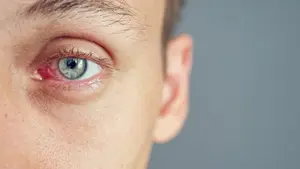
Close-up of a man's eye showing red eye and slightly dilated pupil
Elderly woman sitting at a desk, covering her eyes with her hand, perhaps feeling stressed or overwhelmed

The Connection Between Ocular Allergies and Dry Eye Syndrome

Ocular allergies and dry eye syndrome are closely connected. In many cases, each condition can make the other worse.

The tear film plays an important role in protecting the surface of the eye. It keeps the eyes lubricated, removes debris, and helps maintain clear vision. When allergies cause inflammation, they can disrupt this delicate tear film and lead to increased dryness.

Similarly, patients who already have dry eye syndrome often have a weakened tear film that cannot effectively wash away allergens. This makes the eyes more sensitive to environmental triggers.

Because these conditions frequently occur together, treating both allergies and dryness at the same time is often the most effective approach. At New Jersey Eyes, we evaluate the health of the ocular surface and tear production to determine the best dry eye treatment plan for each patient.

Treatment Options for Ocular Allergies

Treatment for eye allergies depends on the severity of symptoms and the underlying causes of irritation. The goal of treatment is to reduce inflammation, relieve discomfort, and restore the eye’s natural protective tear film.

Many patients benefit from prescription allergy eye drops that help reduce histamine reactions and calm inflammation. Artificial tears may also be recommended to flush allergens from the eyes and improve lubrication.

For patients experiencing both allergies and dry eye syndrome, targeted dry eye treatment may be necessary to stabilize the tear film and improve overall eye comfort. In some cases, anti-inflammatory medications or advanced therapies may be recommended.

Lifestyle adjustments can also make a meaningful difference. Avoiding known allergens, using air purifiers, washing hands frequently, and limiting eye rubbing can all help reduce irritation.

Our team takes the time to understand each patient’s symptoms, environment, and lifestyle so that treatment plans can be customized for long-lasting relief.

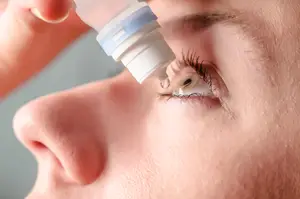
A woman is applying eye drops to her right eye, holding a bottle with a blue cap and a white liquid inside, while her left eye is closed, and her eyelashes are visible, with her gaze directed to the right, illuminated by a light source.
A woman sitting on a couch and holding her nose while closing her eyes.

When to See Your Eye Doctor for Eye Allergies

Many people assume that eye allergies are simply a seasonal inconvenience. However, persistent irritation, redness, or dryness should not be ignored.

Chronic inflammation on the surface of the eye can contribute to long-term eye health issues and worsen dry eye syndrome if left untreated. Seeking professional care ensures that symptoms are accurately diagnosed and treated before they progress.

A comprehensive eye examination allows your doctor to evaluate the ocular surface, tear film stability, and signs of allergic inflammation. With this information, the most appropriate treatment plan can be developed.

If you live in the area and are experiencing ongoing symptoms, visiting a knowledgeable New Jersey Eyes eye doctor can help you find the answers and relief you need.

Find Relief from Eye Allergies

Persistent itching, redness, and irritation do not have to disrupt your daily life. With the right diagnosis and treatment plan, ocular allergy symptoms can be effectively managed, and long-term eye comfort can be restored.

At New Jersey Eyes, our team is committed to helping patients achieve healthier, more comfortable vision. Whether your symptoms are caused by allergies, dry eye syndrome, or a combination of both, we offer advanced diagnostic tools and effective dry eye treatment options designed to address the root cause of the problem.

If you are searching for a trusted New Jersey Eyes eye doctor, schedule an appointment with New Jersey Eyes today. Our experienced team will evaluate your symptoms and create a personalized treatment plan to help you enjoy clear, comfortable vision again.

A young man with a wide smile on his face is standing in front of a white wall, wearing a blue shirt and black buttons.